The concept of water conservation has taken center stage in modern households, particularly in areas frequently affected by droughts or water shortages. Among the innovative approaches emerging from this necessity is the "No-Water Vegetable Cleaning Method," a technique combining wet wipes and spray bottle rinsing that's gaining traction among environmentally conscious consumers and those looking to reduce their utility bills.
At its core, this method challenges the traditional approach of running vegetables under continuous streams of tap water. Food safety experts have long recommended thorough washing to remove pesticides, dirt, and potential pathogens, but the water waste involved has become increasingly difficult to justify. The wet-wipe-and-spray alternative offers a middle ground that maintains cleanliness standards while dramatically cutting water usage.
The process begins with a simple yet effective first step: gently wiping each piece of produce with a clean, food-safe wet wipe. Specialized vegetable cleaning wipes have entered the market, though many households successfully use homemade versions soaked in vinegar solutions or diluted food-grade hydrogen peroxide. The mechanical action of wiping removes surface contaminants much like hand-washing eliminates germs from skin - through friction rather than dilution.
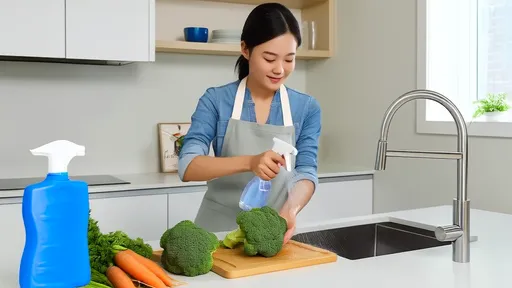
Following the wipe-down, a fine mist from a spray bottle delivers the rinsing phase. This isn't the deluge-style rinse most home cooks are accustomed to, but rather a targeted application of water exactly where needed. The spray accomplishes two purposes: it removes any residue from the wiping process, and provides the psychological reassurance of seeing produce get "washed." Surprisingly, tests show this method often uses less than a cup of water for an entire meal's worth of vegetables, compared to the gallons that might run down the drain during conventional washing.
Adoption of this technique has revealed unexpected benefits beyond water conservation. Many users report that their vegetables actually stay fresh longer after this cleaning method. The theory suggests that reduced water exposure means less moisture for mold and bacteria to thrive on in storage. Leafy greens in particular seem to benefit, with salad greens maintaining crispness for additional days in the refrigerator when compared to their traditionally washed counterparts.
Critics initially raised concerns about the effectiveness of this method against pesticide residues. However, recent studies have shown that the combination of friction from wiping followed by targeted rinsing removes comparable amounts of pesticide residues as conventional washing. For wax-coated produce, the wiping action actually proves superior at breaking down the water-resistant coatings that can trap contaminants.
The environmental impact calculations make a compelling case for widespread adoption. If every household in a medium-sized city implemented this technique just for their vegetable cleaning, the annual water savings could fill dozens of Olympic-sized swimming pools. When scaled to national levels, the conservation figures become staggering - all from this simple adjustment to a daily routine.
Practical implementation does require some adjustments. The wiping phase adds a few minutes to meal preparation, though many users find this becomes meditative rather than burdensome. Choosing the right spray bottle matters too - models that produce a fine, adjustable mist work best. Some innovative cooks have taken to adding a drop of lemon essential oil or vinegar to their spray bottles for additional cleaning power and freshness.
Restaurants and commercial kitchens have begun experimenting with scaled-up versions of this method. One farm-to-table establishment in California reported reducing their water usage by 30% after training staff in systematic produce wiping techniques. They use large, clean cloths dampened with sanitizing solution followed by brief misting from commercial sprayers. The chef notes an unexpected benefit: kitchen staff have become more attentive to the quality and condition of each vegetable during the hands-on cleaning process.
The psychological barrier remains the biggest challenge to broader adoption. Centuries of culinary tradition equate thorough washing with abundant running water. Overcoming this deep-seated association requires both education about the method's effectiveness and visible demonstrations of its results. Cooking instructors have begun incorporating no-water cleaning segments into their classes, often to the initial skepticism and subsequent surprise of students.
As climate patterns continue to change and water becomes an increasingly precious resource worldwide, techniques like wet-wipe-and-spray vegetable cleaning will likely transition from niche practice to mainstream necessity. The method represents more than just a household hack - it's a paradigm shift in how we think about cleanliness and resource usage in daily life. Future innovations may bring even more efficient variations, but the core principle of substituting friction and precision for volume and waste seems destined to shape kitchen practices for generations to come.
Beyond the practical applications, this approach fosters a more mindful relationship with our food. The act of handling each vegetable individually creates awareness and appreciation often lost when produce disappears under a torrent of tap water. Many practitioners report feeling more connected to their ingredients and more attentive to quality when using this hands-on cleaning method. In an unexpected way, water conservation leads to culinary consciousness.
The financial implications shouldn't be overlooked either. While the savings per washing session seem minimal, compounded over months and years, the reduction in water bills becomes significant. For families on tight budgets or restaurants operating on thin margins, these savings can make a real difference. The initial investment in quality wipes or spray bottles pays for itself many times over in water bill reductions.
Health professionals have noted another advantage: this method may actually reduce cross-contamination risks in home kitchens. Traditional vegetable washing often leads to splashing that can spread bacteria to countertops, utensils, or other foods. The controlled application of water in the spray-and-wipe method contains potential contaminants more effectively. Some food safety courses have begun including this technique in their curriculum for high-risk populations.
As with any innovation, the no-water vegetable cleaning method continues to evolve. Recent variations include pre-moistened cloths infused with natural antimicrobial agents like thyme oil or citrus extracts. Some home gardeners report using this method immediately after harvesting, claiming it helps preserve the just-picked quality of their produce. Urban farmers with limited water access have become particularly enthusiastic adopters, sharing tips and refinements through online sustainability communities.
The broader implications for water policy are worth considering. If such a simple technique can save millions of gallons annually, imagine the impact if similar rethinking were applied to other household water uses. This method serves as proof that substantial conservation doesn't necessarily require expensive technology or drastic lifestyle changes - sometimes it's just about working smarter with what we have.
Looking ahead, we can expect to see this approach reflected in kitchen designs of the future. Some forward-thinking appliance manufacturers are already developing countertop systems that integrate wiping surfaces with precision rinsing mechanisms. These may one day become as standard as dishwashers in eco-conscious homes. The humble spray bottle and package of wipes might represent the first step toward a fundamental reimagining of kitchen workflows.
For now, the method remains accessible to anyone willing to break with convention. As more people discover its effectiveness and experience the satisfaction of dramatic water reduction, the no-water vegetable cleaning technique seems poised to move from clever hack to common practice. In a world where every drop counts, such small innovations collectively make waves.
By /Jul 31, 2025
By /Jul 31, 2025

By /Jul 31, 2025
By /Jul 31, 2025
By /Jul 31, 2025
By /Jul 31, 2025
By /Jul 31, 2025
By /Jul 31, 2025
By /Jul 31, 2025
By /Jul 31, 2025
By /Jul 31, 2025
By /Jul 31, 2025
By /Jul 31, 2025

By /Jul 31, 2025

By /Jul 31, 2025

By /Jul 31, 2025
By /Jul 31, 2025

By /Jul 31, 2025

By /Jul 31, 2025

By /Jul 31, 2025
