Risk of Overnight Vegetables: Nitrite Formation Table for Leafy Greens

Jul 31, 2025 By

The topic of overnight vegetables and their potential health risks has been a subject of ongoing debate among nutritionists and food safety experts. One particular concern revolves around the formation of nitrites in leafy greens when stored for extended periods after cooking. As consumers become increasingly health-conscious, understanding the science behind nitrite accumulation in reheated vegetables is crucial for making informed dietary choices.

Leafy greens such as spinach, lettuce, and bok choy naturally contain nitrates, which are generally harmless compounds found in many vegetables. However, the transformation of these nitrates into potentially harmful nitrites occurs through bacterial action during storage. This biochemical process accelerates when cooked vegetables are left at room temperature, creating an environment conducive to bacterial growth. The conversion rate varies significantly among different types of leafy vegetables, with some varieties showing remarkably higher nitrite accumulation than others.

Research indicates that storage conditions play a pivotal role in nitrite formation. Vegetables stored in airtight containers in the refrigerator demonstrate slower nitrite conversion compared to those left uncovered at room temperature. The temperature danger zone between 40°F and 140°F (4°C to 60°C) creates ideal conditions for bacteria to thrive and convert nitrates to nitrites. This explains why proper refrigeration immediately after cooking can substantially reduce the risk of excessive nitrite buildup in leftover vegetables.

The time factor significantly influences nitrite levels in stored vegetables. Studies have shown that nitrite concentrations tend to peak around 12-24 hours after cooking before gradually declining. This pattern suggests that the bacterial activity responsible for nitrate conversion is most active during the initial storage period. Interestingly, some vegetables exhibit a secondary nitrite surge after 48 hours, highlighting the complex nature of these biochemical transformations in plant tissues.

Cooking methods also impact the subsequent nitrite formation in stored vegetables. Blanching or steaming vegetables before storage appears to result in lower nitrite accumulation compared to boiling. The water-soluble nature of nitrates means that boiling can leach these compounds into cooking water, which when retained with the vegetables during storage, provides more substrate for bacterial conversion. This finding has important implications for food preparation practices in both household and commercial kitchens.

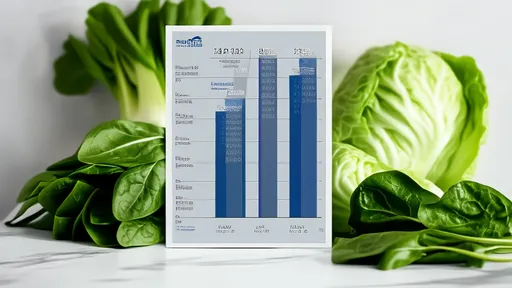
Certain leafy greens demonstrate particularly high nitrate-to-nitrite conversion rates. Spinach consistently ranks high in studies measuring nitrite accumulation, followed by Chinese cabbage and lettuce. These vegetables naturally contain higher nitrate concentrations to begin with, which explains their greater potential for nitrite formation. Conversely, vegetables like kale and Swiss chard show relatively lower conversion rates, making them potentially safer choices for meal prepping and leftovers.

The health implications of consuming vegetables with elevated nitrite levels remain a complex issue. While excessive nitrites can form potentially carcinogenic nitrosamines under certain conditions, the actual risk depends on numerous factors including overall diet, gut microbiota, and the presence of other compounds that may inhibit nitrosamine formation. Vitamin C and other antioxidants present in vegetables may actually counteract some of the negative effects of nitrites, creating a nutritional balancing act that researchers are still working to fully understand.

Food safety organizations in various countries have established guidelines for handling leftover vegetables, though specific recommendations about nitrite formation remain limited. General advice includes proper refrigeration within two hours of cooking, consumption within 3-4 days, and thorough reheating to kill potential pathogens. These practices, while primarily aimed at preventing foodborne illness, also help minimize nitrite accumulation in stored vegetables.

Emerging preservation techniques may offer solutions to the nitrite dilemma. Modified atmosphere packaging, vacuum sealing, and rapid cooling technologies show promise in slowing down the bacterial processes that lead to nitrite formation. Some studies suggest that adding lemon juice or vinegar to cooked vegetables before storage might inhibit bacterial growth and subsequent nitrite production, though more research is needed to confirm these findings and establish optimal concentrations.

The psychological aspect of food safety perception plays an interesting role in how consumers approach the issue of overnight vegetables. While the potential risks of nitrites exist, they must be weighed against the nutritional benefits of vegetable consumption. For many individuals, especially those who struggle to meet daily vegetable intake recommendations, the convenience of meal prepping and consuming leftovers may outweigh the relatively small potential risks associated with nitrite exposure.

Cultural dietary practices offer valuable insights into this issue. Many Asian cuisines have traditionally consumed overnight pickled or fermented vegetables without apparent health consequences, suggesting that the human body may adapt to certain levels of dietary nitrites. These traditional practices often involve methods that either reduce nitrite formation or mitigate its effects, providing potential lessons for modern food handling techniques.

Future research directions might focus on developing vegetable varieties with lower nitrate content through selective breeding or cultivation techniques. Agricultural scientists are exploring ways to reduce initial nitrate levels in leafy greens by modifying growing conditions, which would subsequently decrease the potential for nitrite formation during storage. Such innovations could provide a long-term solution to the nitrite concerns associated with leftover vegetables.

Consumer education remains paramount in addressing the overnight vegetable dilemma. Clear communication about proper storage techniques, realistic risk assessment, and balanced dietary choices can help individuals make informed decisions about their food consumption. As with many nutritional issues, moderation and variety appear to be key factors in minimizing potential risks while maximizing health benefits.

The discussion surrounding nitrite formation in stored leafy vegetables underscores the complex interplay between food science, nutrition, and practical dietary habits. While concerns about nitrites are valid, they represent just one factor in the broader context of healthy eating. By understanding the mechanisms behind nitrite formation and implementing proper food handling practices, consumers can continue to enjoy the convenience and nutritional benefits of leafy greens while minimizing potential risks.

Recommend Posts
Food

Noise Reduction for Blender: Moist Towel Padding for Vibration Damping Test

By /Jul 31, 2025

In the bustling world of modern kitchens, where convenience meets innovation, the humble blender has evolved into a high-powered wall-breaking machine. These devices, designed to pulverize ingredients to their molecular level, come with an unavoidable side effect: noise. For urban dwellers and home chefs alike, the deafening roar of a wall-breaking blender can be a daily nuisance. But what if there was a simple, low-cost solution to dampen the cacophony? Enter the wet towel hack—a method gaining traction among noise-conscious users.
Food

Air Fryer Cleaning: Boil with Lemon Water for 5 Minutes to Remove Grease

By /Jul 31, 2025

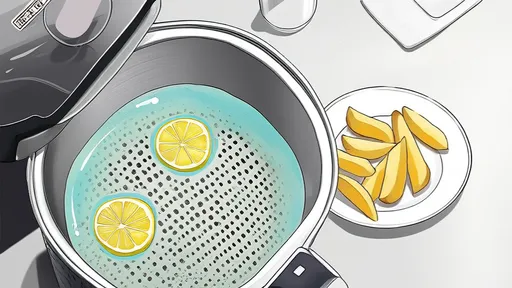
Keeping your air fryer clean is essential for maintaining its performance and ensuring the food you cook tastes fresh every time. Over time, grease and food particles can build up, leading to unpleasant odors and even smoke during cooking. While there are many commercial cleaners available, a simple and natural solution using lemon water can work wonders. Boiling lemon water in your air fryer for just five minutes can help break down stubborn grease and leave your appliance smelling fresh.
Food

Efficient Power-saving Method for Baking Sweet Potatoes with Oven Residual Heat After Shutdown"

By /Jul 31, 2025

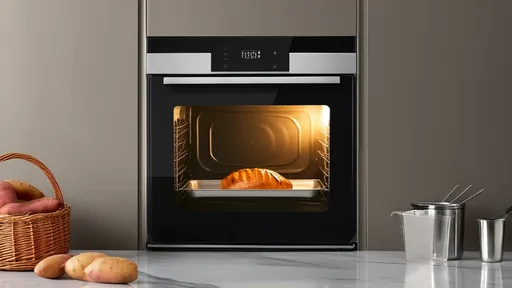
The concept of utilizing residual oven heat to cook food after turning off the appliance isn’t new, but it’s often overlooked in modern kitchens. One of the most satisfying applications of this technique is baking sweet potatoes. Not only does it save energy, but it also yields perfectly tender, caramelized results with minimal effort. This method taps into the latent heat trapped within the oven’s insulation, transforming what would otherwise be wasted energy into a delicious, eco-friendly meal.
Food

Steaming Fish in Microwave: Cover with Damp Paper Towel to Keep Tenderness

By /Jul 31, 2025

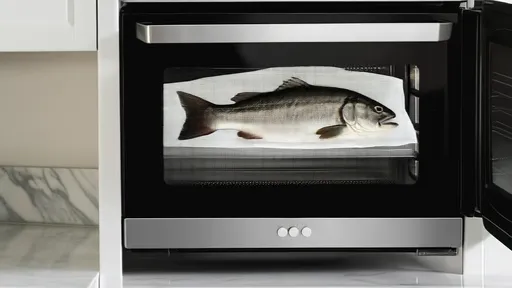
In the bustling rhythm of modern kitchens, the microwave has emerged as an unsung hero for quick yet nutritious meals. Among its many capabilities, steaming fish might seem unconventional—yet with a simple trick involving damp paper towels, this method delivers restaurant-quality tenderness in minutes. This technique not only preserves moisture but also redefines convenience for seafood lovers.
Food

Rice Cooker Cake: Keep Warm for 20 Minutes After the Button Pops Up

By /Jul 31, 2025

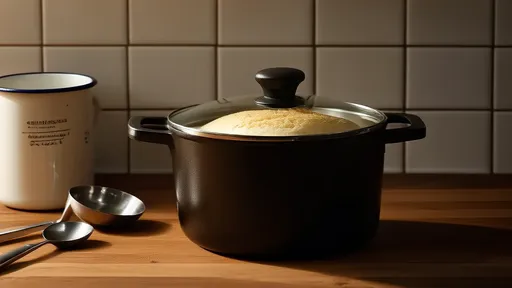
The art of baking a cake in a rice cooker has gained popularity in recent years, especially among those who don’t have access to a traditional oven. One of the most debated techniques in this method is the timing—specifically, the moment the rice cooker’s button pops up and whether to let the cake sit for an additional 20 minutes. This seemingly simple step can make or break the texture and consistency of the final product.
Food

Soy Milk Pseudo-Boiling: Cook for 8 More Minutes After Bubbles Appear

By /Jul 31, 2025

In kitchens across Asia, a peculiar phenomenon occurs daily when preparing fresh soy milk—the liquid appears to boil long before it reaches true cooking temperature. This deceptive bubbling, known as "false boil" or "假沸" in Chinese, has fooled countless home cooks into turning off the heat prematurely. What appears to be a vigorously boiling pot may only hover around 70°C (158°F), creating potential health risks if consumed untreated.
Food

Sprouting Foods: Toxic Potatoes vs. Edible Garlic Sprouts

By /Jul 31, 2025

In the world of kitchen staples, few things are as universally present as potatoes and garlic. These humble ingredients form the backbone of countless dishes across cultures. But what happens when they start sprouting? The answer might surprise you, as these two common foods take dramatically different paths when they begin to grow new life.
Food

Plastic Box Label: Only Number 5 PP is Suitable for Microwave

By /Jul 31, 2025

In the bustling rhythm of modern kitchens, the microwave has become an indispensable ally. Its convenience is unmatched—quickly reheating leftovers, defrosting frozen goods, or even cooking full meals in minutes. Yet, as we reach for that trusty plastic container to nuke last night’s dinner, few pause to consider whether the material is truly microwave-safe. The truth is, not all plastics are created equal, and missteps here can have consequences ranging from melted containers to potential health risks.
Food

Risk of Overnight Vegetables: Nitrite Formation Table for Leafy Greens

By /Jul 31, 2025

The topic of overnight vegetables and their potential health risks has been a subject of ongoing debate among nutritionists and food safety experts. One particular concern revolves around the formation of nitrites in leafy greens when stored for extended periods after cooking. As consumers become increasingly health-conscious, understanding the science behind nitrite accumulation in reheated vegetables is crucial for making informed dietary choices.
Food

Reasons Why Eggs Should Not Be Stored on the Door Side of the Fridge

By /Jul 31, 2025

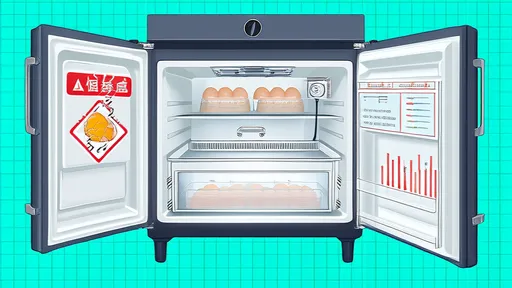
Most people don’t think twice about where they store their eggs in the refrigerator. The door shelves seem convenient—easy to access, often designed with built-in holders, and seemingly the perfect spot for frequently used items. However, if you’ve been placing your eggs in the refrigerator door, you might want to reconsider. The science behind refrigerator temperature zones reveals that this common practice could be compromising both the safety and freshness of your eggs.
Food

Charred Rescue: Testing Onions for Absorbing Odors

By /Jul 31, 2025

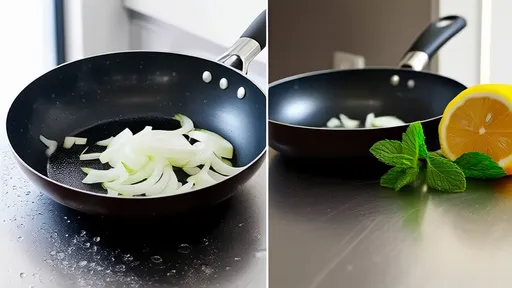
When disaster strikes in the kitchen and you're left with the lingering aftermath of burnt food, the internet offers countless folk remedies to eliminate stubborn smoke odors. Among the most persistent claims is that placing raw onions throughout your home can absorb unpleasant smells. But does this kitchen staple truly possess odor-neutralizing superpowers? We put this theory to the test under controlled conditions to separate fact from old wives' tale.
Food

Seasoning Remedy: Add Sugar for Too Salty, Add Milk for Too Spicy

By /Jul 31, 2025

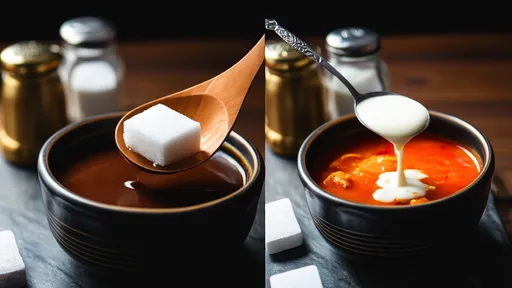
In the world of cooking, mistakes happen even to the most seasoned chefs. A dash too much salt or an overly generous sprinkle of chili can turn a carefully crafted dish into a culinary misadventure. But fear not—culinary disasters are often salvageable with a few clever tricks. One of the oldest and most reliable techniques is the art of flavor balancing, where contrasting tastes are used to counteract overpowering flavors. Too salty? Add sweetness. Too spicy? Introduce dairy. These simple fixes have saved countless meals, and understanding the science behind them can elevate your cooking from good to great.
Food

Water-saving Vegetable Washing Technique: Wipe with Wet Wipes + Rinse with Spray Bottle

By /Jul 31, 2025

The concept of water conservation has taken center stage in modern households, particularly in areas frequently affected by droughts or water shortages. Among the innovative approaches emerging from this necessity is the "No-Water Vegetable Cleaning Method," a technique combining wet wipes and spray bottle rinsing that's gaining traction among environmentally conscious consumers and those looking to reduce their utility bills.
Food

Top 10 Ways to Cook Eggs When You Have Nothing Else

By /Jul 31, 2025

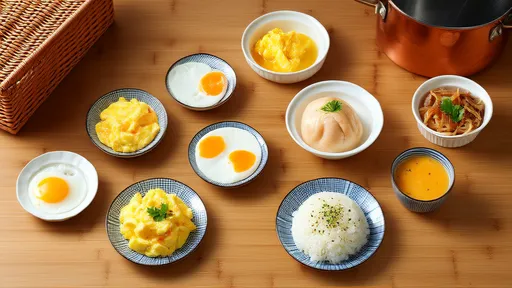
When the fridge is nearly empty and all you have left are a few eggs, it’s easy to feel like your culinary options are limited. But eggs, in their humble simplicity, are one of the most versatile ingredients in any kitchen. Whether you choose to steam, fry, or boil them, there are countless ways to transform these protein-packed gems into satisfying meals. The key lies in creativity and a willingness to experiment with flavors and techniques.
Food

Rice Cooking Experiment with a Thermos Bottle: Ceasefire Porridge Method

By /Jul 31, 2025

In the realm of unconventional cooking techniques, the "Thermos Method" has recently gained traction among food enthusiasts and survivalists alike. This approach, which involves using a standard vacuum flask to cook rice with nothing but boiling water and time, challenges traditional stovetop methods. The concept is simple: leverage the insulating properties of a thermos to retain enough heat to slowly cook grains overnight or over several hours. But does it actually work? We put it to the test.
Food

Cooling Principle of Garlic and Sesame Oil Sauce in Hot Pot Restaurants"

By /Jul 31, 2025

The sizzling allure of hot pot lies not just in its bubbling broth or thinly sliced meats, but in the often-overlooked companion that elevates every bite: the dipping sauce. Among the myriad of condiments, the garlic-infused sesame oil dip, known as "you die" in Mandarin, stands out as a cultural and culinary staple. But beyond its rich flavor, this unassuming sauce serves a scientific purpose—cooling scorching hot ingredients before they reach the diner’s mouth. The interplay between fiery broth and cool oil is a dance of physics and gastronomy, one that has been perfected over centuries yet remains underappreciated in Western culinary discourse.
Food

Grilled Restaurant Garlic Sauce: Mixed Golden and Silver Garlic Fried

By /Jul 31, 2025

The art of crafting the perfect garlic sauce for barbecue restaurants has long been a closely guarded secret among chefs. Among the many variations, one method stands out for its depth of flavor and aromatic complexity: the golden and white garlic blend, fried to perfection. This technique, which combines both raw and fried garlic, creates a sauce that is at once pungent, sweet, and richly savory, elevating everything from grilled meats to seafood and vegetables.
Food

Boba in Milk Tea: Red Sugar Water Stew for Brighter Pearls

By /Jul 31, 2025

The world of bubble tea is constantly evolving, with new techniques and ingredients emerging to elevate the humble tapioca pearl to new heights. Among the latest discoveries captivating tea enthusiasts and shop owners alike is the transformative effect of brown sugar syrup in the cooking process. This unassuming ingredient has proven to be the secret behind achieving that coveted glossy, translucent appearance in boba pearls that customers find irresistible.
Food

Making Crispy Pancake Fritters: A Substitute for Wonton Skins in Deep Frying"

By /Jul 31, 2025

The humble jianbing guozi, a beloved Chinese street food, has long relied on its signature crispiness to win over breakfast crowds. At the heart of this savory crepe's texture lies the baocui - that impossibly thin, deep-fried cracker providing the satisfying crunch. But as home cooks seek to recreate this iconic snack, many are discovering an ingenious shortcut: using fried wonton wrappers as a substitute for traditional baocui.
Food

Night Market Grilled Tofu: Home Pan-Fried Crispy Skin Techniques"

By /Jul 31, 2025

The sizzle of street food stalls is unmistakable—nowhere more so than with the iconic sizzling iron plate tofu, a beloved late-night snack across many Asian night markets. The crispy golden crust giving way to tender, piping-hot tofu is a textural marvel that home cooks often struggle to replicate. While professional chefs wield heavy iron plates over roaring flames, achieving that perfect crisp in a home kitchen requires understanding the science of heat, moisture, and patience.