Most people don’t think twice about where they store their eggs in the refrigerator. The door shelves seem convenient—easy to access, often designed with built-in holders, and seemingly the perfect spot for frequently used items. However, if you’ve been placing your eggs in the refrigerator door, you might want to reconsider. The science behind refrigerator temperature zones reveals that this common practice could be compromising both the safety and freshness of your eggs.
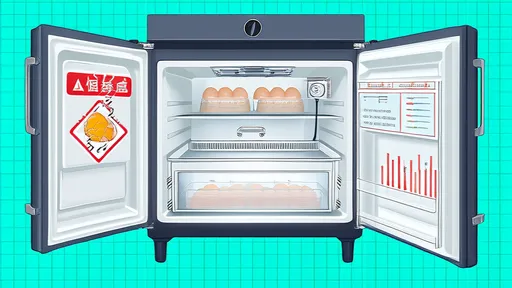
The refrigerator door is the warmest and most temperature-fluctuating part of the appliance. Every time you open the door, warm air rushes in, causing the temperature in the door compartments to rise temporarily. While this might not seem like a big deal for condiments or beverages, eggs are far more sensitive to temperature changes. Consistent cooling is critical for preserving their quality and preventing bacterial growth, particularly from pathogens like Salmonella. Storing eggs in the door exposes them to repeated temperature shifts, which can accelerate spoilage and increase food safety risks.
Eggs are porous, with delicate shells that allow them to absorb odors and flavors from their surroundings. The door is also where many people store strong-smelling items like pickles, cheese, or leftovers. Over time, eggs kept in this area can take on unwanted flavors, altering their taste when used in cooking or baking. Additionally, the constant movement from opening and closing the door can cause eggs to jostle, increasing the likelihood of hairline cracks that may go unnoticed until it’s too late.
So, where should eggs be stored? The back of the middle or lower shelf is ideal. This area maintains the most consistent cold temperature, shielding eggs from the fluctuations that occur near the door or in the upper shelves (which tend to be slightly warmer). Many refrigerators even have a dedicated egg tray in this zone, though if yours doesn’t, simply keeping them in their original carton on a middle shelf will suffice. The carton provides an extra layer of insulation and protects the eggs from absorbing odors.
Another factor to consider is humidity. Refrigerators are designed with different humidity levels in various sections. Crisper drawers, for instance, are optimized for high humidity to keep vegetables fresh, while other areas are drier. Eggs benefit from a moderately humid environment—enough to prevent moisture loss but not so much that condensation builds up on the shells. The middle shelves typically strike this balance better than the door, which is often the driest part of the fridge.
It’s worth noting that not all countries store eggs in the refrigerator. In many European nations, eggs are kept at room temperature due to differences in farming and washing practices. However, if you’re in a region where eggs are sold refrigerated, it’s because they’ve been washed in a way that removes their natural protective coating, making refrigeration necessary. Once chilled, they need to stay chilled to maintain safety and quality. Room-temperature storage after refrigeration can lead to condensation, which facilitates bacterial penetration through the shell.
Beyond placement, how you handle eggs matters too. Always check for cracks before purchasing or using them, as damaged shells are breeding grounds for bacteria. Avoid washing eggs before storage—any additional moisture can weaken the shell’s defenses. And while expiration dates are helpful, the float test (placing an egg in water to see if it sinks or floats) is a more reliable way to check freshness if you’re unsure.
Small changes in how we store everyday items can have a big impact on food quality and safety. Eggs are a kitchen staple, and keeping them in the right part of the refrigerator ensures they stay fresh longer and remain safe to eat. Next time you unpack groceries, resist the urge to tuck the egg carton into the door. Your omelets—and your health—will thank you.

By /Jul 31, 2025
By /Jul 31, 2025
By /Jul 31, 2025
By /Jul 31, 2025

By /Jul 31, 2025

By /Jul 31, 2025

By /Jul 31, 2025
By /Jul 31, 2025
By /Jul 31, 2025
By /Jul 31, 2025

By /Jul 31, 2025

By /Jul 31, 2025

By /Jul 31, 2025

By /Jul 31, 2025

By /Jul 31, 2025

By /Jul 31, 2025

By /Jul 31, 2025

By /Jul 31, 2025

By /Jul 31, 2025

By /Jul 31, 2025
