In the world of cooking, mistakes happen even to the most seasoned chefs. A dash too much salt or an overly generous sprinkle of chili can turn a carefully crafted dish into a culinary misadventure. But fear not—culinary disasters are often salvageable with a few clever tricks. One of the oldest and most reliable techniques is the art of flavor balancing, where contrasting tastes are used to counteract overpowering flavors. Too salty? Add sweetness. Too spicy? Introduce dairy. These simple fixes have saved countless meals, and understanding the science behind them can elevate your cooking from good to great.
The Science Behind Salt and Sweet
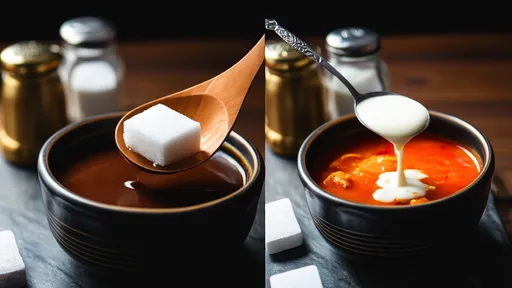
Saltiness and sweetness are two fundamental tastes that can either clash or complement each other. When a dish becomes too salty, adding sugar or another sweetener doesn’t just mask the salt—it interacts with it on a chemical level. The human palate perceives flavors in relation to one another, and sweetness can soften the harshness of excessive salt. This is why a pinch of sugar is often added to tomato sauce or why caramelized onions balance salty meats so well. The key is moderation; too much sugar can swing the dish in the opposite direction, creating an overly sweet flavor profile. A teaspoon at a time, tasting as you go, is the golden rule.
But why does this work? Salt enhances flavors by suppressing bitterness and amplifying other taste sensations, including sweetness. When you add sugar to an oversalted dish, you’re essentially recalibrating the balance between these two tastes. The result is a more rounded flavor where neither dominates. This principle is widely used in professional kitchens, where chefs rely on the interplay of salt and sugar to create depth in sauces, soups, and even desserts.
Dairy to the Rescue for Spicy Dishes
Spiciness, unlike saltiness, isn’t a taste but a sensation—specifically, a reaction to capsaicin, the compound found in chili peppers. When capsaicin binds to receptors in the mouth, it sends signals to the brain that interpret the sensation as heat. Dairy products, particularly those high in fat like milk, yogurt, or cream, are effective at neutralizing this burn. The fat in dairy dissolves capsaicin, washing it away from the receptors and providing instant relief. This is why a glass of milk is more effective than water when eating something too spicy.
In cooking, this principle can be applied to tone down an overly spicy curry or chili. A dollop of sour cream or a splash of coconut milk can mellow the heat without dulling the other flavors. The dairy doesn’t just mask the spiciness; it integrates with the dish, creating a smoother, more balanced experience. For those who are lactose intolerant, coconut milk or nut-based creams can serve as excellent alternatives, offering similar fat content to counteract the capsaicin.
Beyond Sugar and Dairy: Other Flavor Fixes
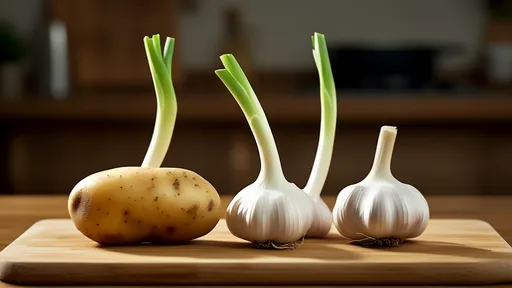
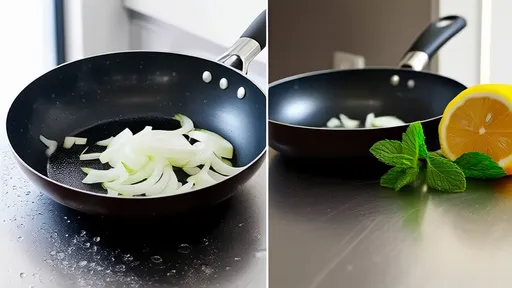
While sugar and dairy are the most common remedies for salty and spicy mishaps, they’re not the only options. Acidic ingredients like lemon juice or vinegar can also counteract saltiness by introducing a bright, tangy contrast. A squeeze of lemon in an oversalted soup can bring back balance, as the acidity distracts the palate from the salt. Similarly, starchy ingredients like potatoes or rice can absorb excess salt when simmered in a too-salty broth, though this method works best for liquid-based dishes.
For spiciness, aside from dairy, starches like bread or tortillas can help by physically scraping capsaicin off the tongue. Sweetness can also temper heat, which is why many spicy cuisines incorporate sugary elements—think mango chutney with Indian curries or honey drizzled over spicy Korean fried chicken. The sugar doesn’t eliminate the spice but creates a harmonious contrast that makes the heat more enjoyable.
The Art of Prevention
While these fixes are handy, the best approach is to avoid over-seasoning in the first place. Seasoning gradually and tasting as you go is the hallmark of a skilled cook. Salt can always be added, but it’s much harder to remove. The same goes for spice—start with a small amount of chili and increase slowly, especially when working with potent varieties like habaneros or ghost peppers. Remember, everyone’s tolerance for salt and spice varies, so when cooking for others, err on the side of caution.
Cooking is as much about recovery as it is about precision. Even the most experienced chefs occasionally over-salt or over-spice a dish. What sets them apart is their ability to pivot and correct course. With these techniques in your culinary toolkit, you’ll never have to serve a ruined meal again. Whether it’s a sprinkle of sugar, a pour of cream, or a splash of lemon juice, the power to rescue your dish is always within reach.

By /Jul 31, 2025

By /Jul 31, 2025

By /Jul 31, 2025

By /Jul 31, 2025

By /Jul 31, 2025

By /Jul 31, 2025
By /Jul 31, 2025

By /Jul 31, 2025
By /Jul 31, 2025

By /Jul 31, 2025
By /Jul 31, 2025
By /Jul 31, 2025

By /Jul 31, 2025

By /Jul 31, 2025

By /Jul 31, 2025
By /Jul 31, 2025
By /Jul 31, 2025

By /Jul 31, 2025

By /Jul 31, 2025

By /Jul 31, 2025
