The art of crafting the perfect garlic sauce for barbecue restaurants has long been a closely guarded secret among chefs. Among the many variations, one method stands out for its depth of flavor and aromatic complexity: the golden and white garlic blend, fried to perfection. This technique, which combines both raw and fried garlic, creates a sauce that is at once pungent, sweet, and richly savory, elevating everything from grilled meats to seafood and vegetables.
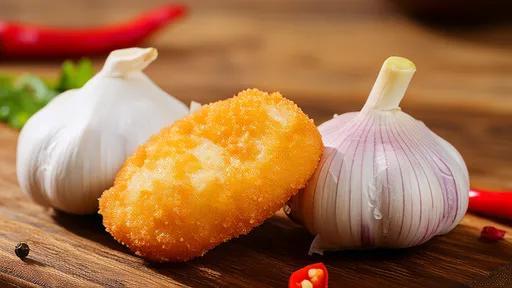
At the heart of this method lies the careful preparation of two distinct garlic components. The first is the golden garlic, or jin suan, which is slowly fried until it turns a deep amber color. This process mellows the sharpness of the garlic, transforming it into a sweet, nutty, and slightly caramelized ingredient. The second component is the white garlic, or yin suan, which is used raw or lightly sautéed to preserve its fresh, spicy kick. When these two are combined, they create a harmonious balance that is greater than the sum of its parts.
The key to achieving the perfect texture and flavor lies in the frying process. The golden garlic must be fried at a low to medium temperature to prevent burning, which can introduce a bitter taste. Chefs often use a neutral oil with a high smoke point, such as peanut or vegetable oil, to ensure even cooking. The garlic is stirred constantly to promote uniform browning, and once it reaches the desired color, it is immediately removed from the heat to stop the cooking process. The residual heat can easily push the garlic from golden to burnt, so timing is critical.
Meanwhile, the white garlic is either finely minced or crushed into a paste, depending on the desired consistency of the final sauce. Some chefs prefer a chunkier texture, while others aim for a smoother, more emulsified result. The raw garlic’s sharpness is essential for cutting through the richness of the fried garlic, creating a dynamic flavor profile that keeps the palate engaged. When mixed together, the two types of garlic form a base that can be enhanced with additional ingredients such as soy sauce, oyster sauce, sugar, or chili oil.
One of the reasons this sauce has become a staple in barbecue restaurants is its versatility. It pairs exceptionally well with grilled meats, adding a pungent yet sweet note that complements the smoky char. Seafood, particularly shellfish like scallops and prawns, benefits from the sauce’s bold flavors, while vegetables such as eggplant and mushrooms absorb it beautifully. Some establishments even use it as a dipping sauce or a marinade, proving its adaptability across multiple dishes.
Beyond its culinary applications, the golden and white garlic sauce also holds cultural significance. In many Asian cuisines, garlic is revered not only for its taste but also for its purported health benefits, including antibacterial and anti-inflammatory properties. The process of frying garlic is believed to enhance its nutritional profile, making this sauce a flavorful yet functional addition to meals. For barbecue restaurants, offering such a sauce is a way to showcase both tradition and innovation, appealing to diners who appreciate depth of flavor.
While the exact ratios of golden to white garlic may vary from chef to chef, the general principle remains the same: balance is everything. Too much fried garlic can overwhelm the sauce with sweetness, while an excess of raw garlic can make it overly harsh. The best versions strike a delicate equilibrium, allowing each component to shine without dominating the other. This attention to detail is what separates a good garlic sauce from an exceptional one.
As barbecue culture continues to evolve, so too does the creativity surrounding its accompaniments. The golden and white garlic blend represents a timeless technique that has been refined over generations, yet it still leaves room for personal interpretation. Whether used as a finishing drizzle, a marinade, or a dipping sauce, its ability to enhance and elevate dishes ensures its enduring popularity. For those looking to recreate this iconic sauce at home, patience and precision are the ultimate ingredients.

By /Jul 31, 2025
By /Jul 31, 2025
By /Jul 31, 2025

By /Jul 31, 2025
By /Jul 31, 2025
By /Jul 31, 2025
By /Jul 31, 2025

By /Jul 31, 2025
By /Jul 31, 2025

By /Jul 31, 2025
By /Jul 31, 2025
By /Jul 31, 2025

By /Jul 31, 2025
By /Jul 31, 2025

By /Jul 31, 2025
By /Jul 31, 2025
By /Jul 31, 2025
By /Jul 31, 2025
By /Jul 31, 2025
By /Jul 31, 2025
