In the bustling rhythm of modern kitchens, the microwave has emerged as an unsung hero for quick yet nutritious meals. Among its many capabilities, steaming fish might seem unconventional—yet with a simple trick involving damp paper towels, this method delivers restaurant-quality tenderness in minutes. This technique not only preserves moisture but also redefines convenience for seafood lovers.
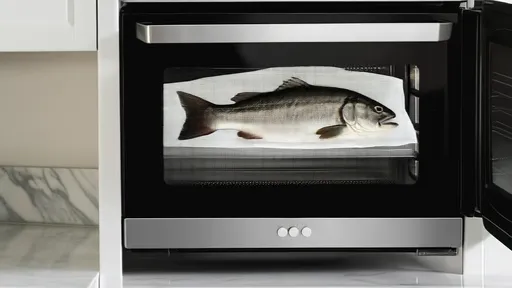
The science behind microwaving fish with damp coverings lies in controlled steam generation. Unlike traditional stovetop steaming where water vapor circulates freely, the microwave’s intense energy requires a barrier to prevent dehydration. A wet paper towel draped over the fish acts as a microclimate, allowing gentle steam to permeate the flesh without leaching its natural juices. The result? Flaky, succulent fillets that rival bamboo-steamed counterparts.
Choosing the right fish is pivotal for microwave success. Opt for uniformly thick cuts like cod, salmon, or sea bass—their dense structure withstands rapid cooking. Thin slices risk overcooking before heat penetrates evenly. For fatty varieties such as mackerel, the moist environment helps render oils without drying. Always pat fillets dry beforehand; excess surface moisture can create uneven hotspots.
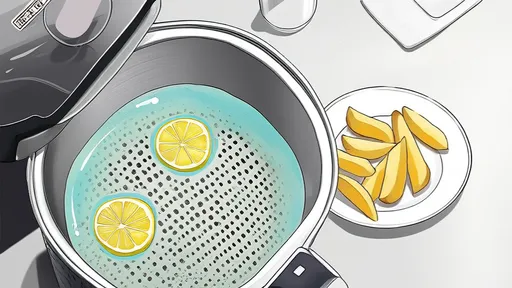
Preparation nuances make all the difference. Layering lemon slices or ginger atop the fish before covering infuses subtle aromatics. The damp towel should cling snugly—re-wet if it dries mid-cycle. Crucially, microwave power matters: 70% intensity for 3–5 minutes (depending on thickness) prevents rubbery textures. Letting fish rest post-cooking allows residual heat to distribute, ensuring doneness without gray edges.
Beyond convenience, this method retains nutrients often lost in boiling. Water-soluble vitamins like B12 remain locked in, and omega-3 fatty acids stay intact compared to high-heat frying. It’s also a game-changer for small households—no need to fire up bulky steamers for single servings. Even chefs applaud its consistency; no more guessing if the center is opaque.
Yet misconceptions persist. Some fear microwaves zap flavor, but proper seasoning before covering ensures taste penetrates. Others worry about safety, yet FDA-approved parchment paper beneath the towel eliminates any leaching concerns. The technique even works for frozen fillets—just extend time incrementally.
As sustainability pushes consumers toward seafood, efficient cooking aligns with eco-conscious values. Less energy than conventional methods, zero water waste, and minimal cleanup—each damp towel becomes a disposable steamer basket. For urbanites or dorm cooks, it’s liberation from kitchen constraints.
This humble hack transcends cultural boundaries. In Japan, miso-glazed cod adapts beautifully. Mediterranean herbs crusted on branzino thrive. Even delicate sole survives intact. The microwave, often relegated to reheating, claims its spot as a precision tool—one damp sheet away from reimagining how we cook the ocean’s bounty.
By /Jul 31, 2025
By /Jul 31, 2025
By /Jul 31, 2025
By /Jul 31, 2025
By /Jul 31, 2025
By /Jul 31, 2025
By /Jul 31, 2025
By /Jul 31, 2025
By /Jul 31, 2025
By /Jul 31, 2025
By /Jul 31, 2025
By /Jul 31, 2025
By /Jul 31, 2025
By /Jul 31, 2025
By /Jul 31, 2025
By /Jul 31, 2025
By /Jul 31, 2025
By /Jul 31, 2025
By /Jul 31, 2025
By /Jul 31, 2025
