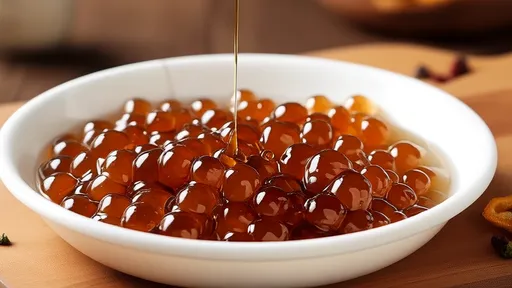
The world of bubble tea is constantly evolving, with new techniques and ingredients emerging to elevate the humble tapioca pearl to new heights. Among the latest discoveries captivating tea enthusiasts and shop owners alike is the transformative effect of brown sugar syrup in the cooking process. This unassuming ingredient has proven to be the secret behind achieving that coveted glossy, translucent appearance in boba pearls that customers find irresistible.
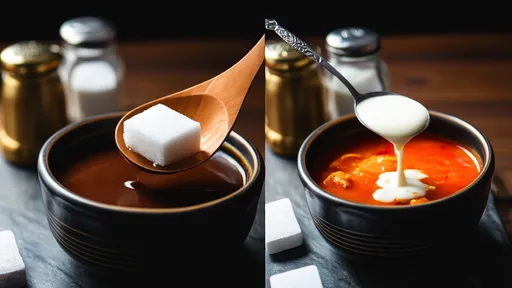
Traditionally, tapioca pearls were simply boiled in plain water before being added to drinks. However, pioneering bubble tea artisans began noticing that pearls cooked in brown sugar syrup developed a superior texture and appearance. The syrup's natural properties work wonders during the slow cooking process, allowing the pearls to achieve an even cook while developing that signature jewel-like clarity.
The science behind this phenomenon lies in the molecular interaction between the brown sugar and tapioca starch. As the pearls simmer in the syrup, the sugar molecules penetrate the starch matrix more effectively than water alone. This creates a more uniform gelatinization process, where the starch granules swell evenly without developing a cloudy, uneven texture. The result is pearls that catch and refract light beautifully, creating those Instagram-worthy shots that drive social media engagement for bubble tea shops.
Beyond aesthetics, this cooking method enhances flavor infusion. The brown sugar doesn't just coat the pearls - it becomes integrated into their very structure. Each chew releases subtle caramel notes that complement rather than overwhelm the tea's flavor profile. This creates a more sophisticated taste experience compared to the common practice of simply coating cooked pearls in syrup afterward.
Texture improvement is another significant benefit. Pearls cooked in brown sugar syrup maintain their ideal chewiness for longer periods, resisting the hardening that often occurs when stored in regular sugar syrups. The moisture retention properties of brown sugar help preserve that perfect QQ texture that bubble tea aficionados crave, even hours after preparation.
The technique requires careful temperature control and timing. Bubble tea artisans recommend maintaining a gentle simmer rather than a rolling boil, allowing the syrup to work its magic gradually. Cooking times may need adjustment from traditional methods, as the sugar syrup conducts heat differently than plain water. Many shops have developed proprietary ratios of brown sugar to water to create their signature pearl texture.
This innovation represents more than just a cooking hack - it's part of bubble tea culture's ongoing refinement. As consumers become more discerning about quality, shops must continually improve their offerings. The brown sugar cooking method satisfies the modern demand for authentic, craft-oriented preparation techniques that deliver both visual appeal and superior taste.
Early adopters of this technique report significant customer satisfaction increases, with many patrons specifically requesting "those shiny pearls." The visual distinction has become a mark of quality that sets apart establishments committed to perfecting their craft. Some shops have even built their entire brand identity around this preparation method, marketing their pearls as "crystal boba" or "gemstone pearls."
While the method requires slightly more expensive ingredients and longer preparation times, the payoff in customer loyalty and perceived value makes it a worthwhile investment for quality-focused bubble tea businesses. As word spreads through both professional networks and consumer communities, brown sugar-cooked pearls are poised to become the new gold standard in boba preparation.
The evolution of pearl cooking techniques reflects the dynamic nature of bubble tea culture, where traditional methods meet modern innovation. What began as a simple starch ball has transformed into a culinary canvas for creativity and craftsmanship. The brown sugar breakthrough demonstrates how attention to subtle details can elevate an entire sensory experience, proving that in the competitive world of bubble tea, sometimes the sweetest innovations come in the most unexpected forms.
By /Jul 31, 2025
By /Jul 31, 2025
By /Jul 31, 2025
By /Jul 31, 2025
By /Jul 31, 2025
By /Jul 31, 2025
By /Jul 31, 2025
By /Jul 31, 2025
By /Jul 31, 2025
By /Jul 31, 2025
By /Jul 31, 2025
By /Jul 31, 2025
By /Jul 31, 2025
By /Jul 31, 2025
By /Jul 31, 2025
By /Jul 31, 2025
By /Jul 31, 2025
By /Jul 31, 2025
By /Jul 31, 2025
By /Jul 31, 2025
