In the bustling world of modern kitchens, where convenience meets innovation, the humble blender has evolved into a high-powered wall-breaking machine. These devices, designed to pulverize ingredients to their molecular level, come with an unavoidable side effect: noise. For urban dwellers and home chefs alike, the deafening roar of a wall-breaking blender can be a daily nuisance. But what if there was a simple, low-cost solution to dampen the cacophony? Enter the wet towel hack—a method gaining traction among noise-conscious users.
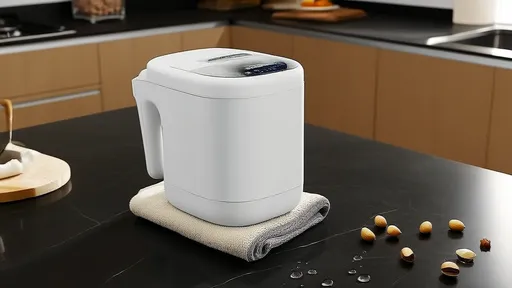
The concept is straightforward yet surprisingly effective. By placing a damp towel beneath the blender’s base, vibrations are absorbed, reducing the transmission of sound waves through countertops and cabinets. This DIY approach has sparked curiosity, prompting many to test its efficacy. Social media platforms are abuzz with videos and testimonials from users who swear by the method, claiming noticeable reductions in noise levels. But does it hold up under scrutiny? We decided to put it to the test.
Our experiment involved two identical wall-breaking blenders, one placed directly on a granite countertop and the other on a folded, dampened towel. Using a decibel meter positioned at a standard distance of three feet, we measured the noise output during a typical blending cycle. The results were striking. The blender on the bare countertop registered an ear-splitting 98 decibels, comparable to the sound of a motorcycle revving nearby. In contrast, the towel-cushioned blender peaked at 87 decibels—a significant 11-decibel drop. While still loud, the reduction was perceptible, making late-night smoothie prep less likely to wake the household.
But why does this work? The science behind the hack lies in vibration isolation. When a blender operates, its motor generates rapid vibrations that travel through rigid surfaces, amplifying noise. A damp towel acts as a buffer, disrupting this transfer of energy. The moisture in the fabric adds mass, enhancing its ability to absorb and dissipate vibrations. It’s a principle borrowed from industrial soundproofing, where rubber mats and foam pads are commonly used to isolate machinery noise. In this case, the towel serves as a makeshift, budget-friendly alternative.
Of course, the wet towel method isn’t without its limitations. For one, the towel must remain damp to maintain effectiveness—a challenge during prolonged use. Additionally, excessive moisture could seep into the blender’s base, posing a potential safety hazard. Some users have reported success with alternatives like silicone trivets or anti-vibration pads, which offer similar benefits without the mess. However, for those seeking an immediate, no-cost solution, the towel trick remains a compelling option.
Beyond the DIY realm, manufacturers are taking note of consumer demand for quieter appliances. Recent models of wall-breaking blenders feature improved motor insulation, rubberized feet, and even sound-dampening enclosures. Yet, these premium options often come with premium price tags. Until affordable, low-noise blenders become the norm, household hacks like the wet towel will continue to fill the gap. It’s a testament to the ingenuity of home cooks who refuse to let noise stand in the way of culinary creativity.
As for our verdict? The wet towel method works—within reason. It won’t silence your blender entirely, but it can take the edge off, making early morning or late-night blending sessions more bearable. For renters, apartment dwellers, or anyone sensitive to noise, it’s a trick worth trying. Just remember to wring out the towel thoroughly and keep an eye on moisture buildup. In the eternal quest for quieter kitchens, sometimes the simplest solutions are the most effective.
By /Jul 31, 2025
By /Jul 31, 2025
By /Jul 31, 2025
By /Jul 31, 2025

By /Jul 31, 2025

By /Jul 31, 2025

By /Jul 31, 2025
By /Jul 31, 2025
By /Jul 31, 2025
By /Jul 31, 2025
By /Jul 31, 2025

By /Jul 31, 2025

By /Jul 31, 2025

By /Jul 31, 2025

By /Jul 31, 2025

By /Jul 31, 2025

By /Jul 31, 2025

By /Jul 31, 2025

By /Jul 31, 2025

By /Jul 31, 2025
