In the bustling rhythm of modern kitchens, the microwave has become an indispensable ally. Its convenience is unmatched—quickly reheating leftovers, defrosting frozen goods, or even cooking full meals in minutes. Yet, as we reach for that trusty plastic container to nuke last night’s dinner, few pause to consider whether the material is truly microwave-safe. The truth is, not all plastics are created equal, and missteps here can have consequences ranging from melted containers to potential health risks.
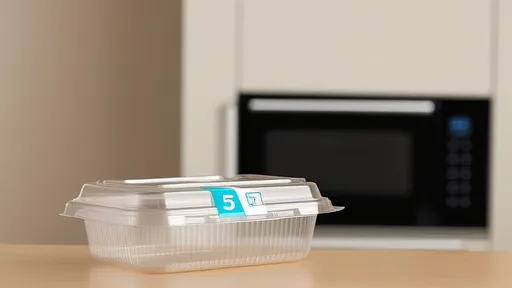
The little number inside the recycling symbol on plastic containers holds the key. You’ve likely noticed it—a tiny digit ranging from 1 to 7, often accompanied by letters like PET or PP. These codes classify plastic types, each with distinct properties and safety profiles. When it comes to microwave use, one designation stands above the rest: 5 PP (polypropylene). This resin identification code isn’t just industry jargon—it’s your assurance that the container can withstand microwave temperatures without breaking down or leaching harmful chemicals into your food.
Polypropylene earns its microwave-safe reputation through molecular stability. Unlike some plastics that warp or release toxins when heated, PP maintains its integrity at high temperatures. The material’s high melting point (around 160°C or 320°F) far exceeds the boiling point of water, making it ideal for microwave reheating. Moreover, PP doesn’t contain bisphenol A (BPA) or phthalates—chemicals of concern found in some other plastics that may migrate into food when heated.
Contrast this with common takeout containers, often made from 6 PS (polystyrene). While perfectly functional for cold sandwiches, these can melt or release styrene—a possible human carcinogen—when microwaved. Even 1 PET (polyethylene terephthalate), used for water bottles, isn’t microwave-safe despite its food-grade status for cold storage. The heat causes PET to break down, potentially releasing antimony trioxide, a heavy metal used in its production.
Beyond the resin code, look for explicit “microwave-safe” labeling. Reputable manufacturers subject PP containers to rigorous testing, simulating repeated microwave use to ensure no deformation or chemical migration occurs. Some premium lines even incorporate steam vents specifically designed for microwave reheating—a thoughtful feature that prevents pressure buildup and promotes even heating.
Proper microwave technique matters as much as container choice. Always remove lids or vent them to allow steam escape, preventing pressure buildup that could distort even microwave-safe plastics. Stirring food midway through heating avoids hot spots that might locally overheat the container. And never microwave empty containers—without food or liquid to absorb energy, the plastic itself can overheat rapidly.
The longevity of microwave-safe containers isn’t infinite. Cloudiness, scratches, or warping signal it’s time for replacement. These imperfections create crevices where bacteria can thrive and may indicate structural degradation that could accelerate chemical leaching. For those who microwave frequently, investing in glass or ceramic alternatives might offer peace of mind, though properly used PP remains a safe, convenient option.
Regulatory agencies like the FDA maintain strict standards for food-contact plastics, but the responsibility ultimately falls to consumers to use products as intended. That salad bar container might technically be food-grade PP, but if it lacks microwave-safe designation, it may not have been tested for that specific use. When in doubt, transfer food to a clearly labeled microwave-safe dish—it’s a small step that could make a significant difference in your long-term health.
Environmental considerations add another layer to the plastic container conversation. While PP is recyclable in theory, municipal recycling programs’ capabilities vary widely. Choosing durable, multi-use microwave-safe containers over single-use options reduces waste. Some manufacturers now offer plant-based PP alternatives, maintaining microwave safety while slightly reducing petroleum dependence—a promising development for eco-conscious consumers.
In professional kitchens, where microwave use is constant, NSF-certified containers dominate. These meet even stricter standards than consumer goods, with documentation tracing every material component. While overkill for home use, this underscores how seriously foodservice professionals take container safety—a mindset home cooks might wisely emulate when selecting their own kitchenware.
The science of food packaging evolves continuously. Recent research explores adding natural antimicrobial agents to PP or enhancing its barrier properties to further prevent any potential migration. These innovations aim to make an already safe material even more bulletproof for microwave applications. Staying informed about such developments helps consumers make ever-better choices for their kitchens.
Ultimately, that little “5 PP” symbol represents more than plastic classification—it embodies decades of materials science aimed at keeping consumers safe while accommodating modern cooking methods. By understanding and respecting these material limitations, we can harness the microwave’s convenience without compromising health or food quality. The next time you reach for a plastic container, taking two seconds to check that resin code might be the most important step in your meal prep routine.
By /Jul 31, 2025
By /Jul 31, 2025
By /Jul 31, 2025
By /Jul 31, 2025
By /Jul 31, 2025
By /Jul 31, 2025
By /Jul 31, 2025
By /Jul 31, 2025
By /Jul 31, 2025
By /Jul 31, 2025
By /Jul 31, 2025
By /Jul 31, 2025

By /Jul 31, 2025
By /Jul 31, 2025
By /Jul 31, 2025

By /Jul 31, 2025
By /Jul 31, 2025
By /Jul 31, 2025
By /Jul 31, 2025
By /Jul 31, 2025
