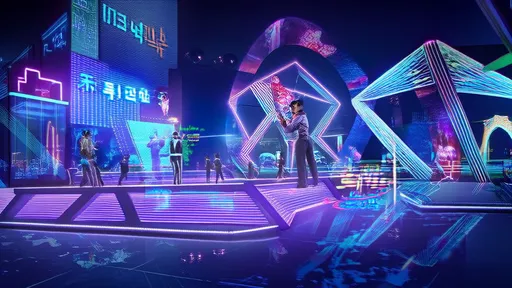
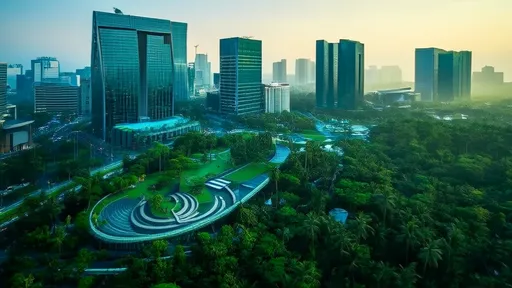
The line between physical and digital experiences is blurring at an unprecedented pace, and nowhere is this more evident than at Seoul's groundbreaking Metaverse Theme Park. This ambitious project, nestled in the heart of South Korea's tech-forward capital, offers visitors a startling preview of how virtual and augmented reality technologies are reshaping the tourism industry. Unlike traditional theme parks that rely solely on physical rides and attractions, this innovative space creates a seamless blend of digital immersion and real-world interaction.
Walking through the park's entrance feels like stepping through a portal into another dimension. Visitors are immediately greeted by digital avatars of park staff who appear to float in mid-air through augmented reality glasses. These virtual guides explain the park's features with uncanny human-like expressions, their digital lips moving in perfect sync with Korean, English, or Mandarin audio depending on the visitor's preference. The effect is simultaneously futuristic and slightly unsettling - a taste of how artificial intelligence might soon become our universal tour guides.
The park's centerpiece attraction, called "Parallel Seoul," demonstrates the staggering potential of this technology. Participants don lightweight mixed reality headsets that overlay a hyper-detailed digital twin of historical Seoul onto the physical park space. As visitors walk through what appears to be an empty plaza, their headsets transform the environment into a bustling 18th-century marketplace complete with virtual merchants hawking wares and children playing traditional games. The most remarkable aspect isn't just the visual fidelity - which approaches photorealism - but how the system incorporates physical sensations. Special flooring provides subtle vibrations when virtual horse-drawn carriages pass by, while strategically placed fans create breezes that match the digital environment's weather conditions.
Food and beverage offerings at the park push the boundaries of multisensory experience. At the "Flavor Lab" cafe, visitors can order digital desserts that appear on their plates through augmented reality. While eating actual cake, guests see elaborate virtual decorations that change with each bite. The menu includes impossible combinations like "volcanic chocolate" that appears to erupt when tapped with a spoon or "galaxy parfaits" where the toppings seem to drift like stars in zero gravity. The psychological effect is profound - many visitors report the digital enhancements make the actual food taste more intense and memorable.
Perhaps the most socially significant innovation is how the park handles accessibility. Wheelchair users can experience all attractions through specially designed interfaces that translate physical limitations into digital abilities. A guest who can't walk in reality might choose an avatar that flies or teleports between locations. The park's sign language translation system uses AI to convert speech into real-time animated avatars that sign with natural fluidity, while visually impaired visitors can explore through detailed audio landscapes and haptic feedback vests.
The business implications of this hybrid model are staggering. Traditional theme parks require massive capital investments in physical infrastructure that becomes outdated within years. Seoul's metaverse approach allows for near-instant updates - overnight, a medieval castle area could transform into a cyberpunk metropolis without moving a single brick. The park already hosts rotating "limited edition" environments tied to popular K-pop releases or historical anniversaries, creating compelling reasons for repeat visits. Early data suggests guests spend 40% more time (and money) in the park compared to conventional alternatives, drawn by the constantly refreshing experiences.
Critics argue that such immersive technologies might eventually discourage real-world travel altogether. Why visit Paris when you could experience a perfect digital replica from your living room? However, the Seoul experiment suggests the opposite effect. Many visitors report that their hybrid experiences spark deeper curiosity about the actual locations and cultures being simulated. The park includes "teaser" areas that showcase real Korean tourist destinations, with seamless options to book physical trips through partner agencies. This symbiotic relationship between virtual preview and physical fulfillment could redefine how destinations market themselves to tech-savvy generations.
As dusk falls, the park reveals its most magical transformation. Augmented reality projections turn pathways into glowing rivers of light, while digital fireflies respond to visitors' movements. The nighttime show doesn't involve fireworks or lasers, but rather a coordinated dance of virtual and physical elements - real water fountains synchronize with digital light particles to create illusions of liquid starlight. It's a fitting metaphor for the entire experience: not a replacement of reality, but an enhancement that makes ordinary moments feel extraordinary.
The success of Seoul's experiment raises important questions about the future of shared experiences in an increasingly digital world. As the technology becomes more affordable and widespread, we may see hybrid attractions like this redefine urban entertainment districts globally. The park's creators envision a near future where visitors can continue their customized digital experiences at home through persistent virtual worlds linked to their park visits. What begins as a day of augmented reality fun could evolve into an ongoing relationship between brands and consumers in the metaverse.
For now, standing in this Seoul park surrounded by laughing families interacting with invisible wonders, one thing becomes clear: we're witnessing the embryonic stage of a new tourism paradigm. The physical and digital worlds aren't competing for our attention here - they're collaborating to create something neither could achieve alone. As the technologies mature and creative minds explore their potential, the line between "virtual" and "real" tourism may disappear altogether, giving rise to experiences we're only beginning to imagine.
By /Aug 6, 2025
By /Aug 6, 2025

By /Aug 6, 2025

By /Aug 6, 2025

By /Aug 6, 2025

By /Aug 6, 2025

By /Aug 6, 2025

By /Aug 6, 2025
By /Aug 6, 2025

By /Aug 6, 2025
By /Aug 6, 2025

By /Aug 6, 2025
By /Aug 6, 2025

By /Aug 6, 2025
By /Aug 6, 2025

By /Aug 6, 2025

By /Aug 6, 2025
By /Aug 6, 2025
By /Aug 6, 2025

By /Aug 6, 2025
