For decades, the Great Migration in Kenya has drawn wildlife enthusiasts to iconic spots like the Maasai Mara Reserve. But as visitor numbers swell, a new wave of discerning travelers is seeking private conservancies that offer exclusivity and untouched wilderness. These hidden gems provide front-row seats to nature’s greatest spectacle—without the crowds.
The Shift to Private Conservancies
Traditional migration viewpoints have become victims of their own success. Mini-buses jostling for position, crowded picnic areas, and strict park regulations can detract from the magic of witnessing over two million wildebeest and zebras thunder across the plains. Private conservancies bordering the Mara—some as large as 20,000 acres—are rewriting the safari playbook.
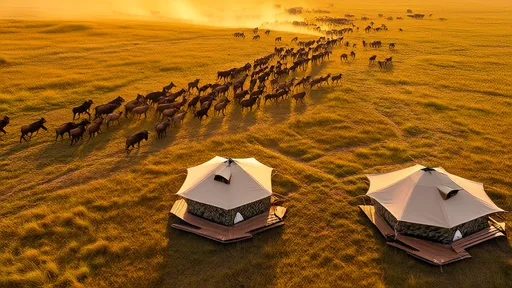
At Olare Motorogi Conservancy, the difference is palpable within minutes of arrival. Where the main reserve might see 150 vehicles at a river crossing, here you’ll share the drama with just five other safari cars. The conservancy model limits bed numbers across its 33,000 acres, ensuring wildlife encounters feel intimate rather than orchestrated.
Unchoreographed Wilderness
What sets these private concessions apart isn’t just the absence of crowds, but the presence of extraordinary freedom. Most operate under Kenya’s conservancy laws permitting off-road driving and night safaris—activities banned in national parks. This means following cheetah hunts across open plains or tracking leopards by spotlight after dark.
At Naboisho Conservancy’s Encounter Mara camp, guides have developed an almost telepathic connection with the land. They’ll position you beside isolated wildebeest herds before their river plunge, or find lone male lions patrolling territories far from tourist routes. The wilderness here feels alive in ways that curated park experiences often lack.
Sleeping With the Migration
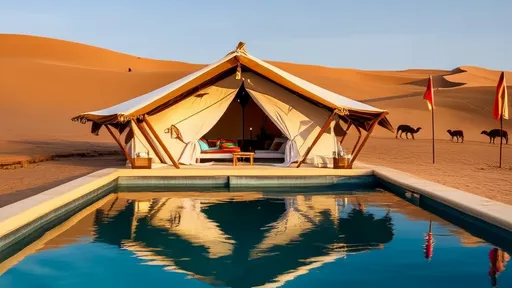
The new generation of migration camps blends luxury with authenticity in surprising ways. At Saruni Wild’s three tented suites, your "bedroom" might be a four-poster bed rolled onto an open-air platform overlooking the Mara River. Falling asleep to hippos grunting below and waking to giraffes drinking at dawn redefines the concept of a room with a view.
Meanwhile, Cottar’s 1920s Camp delivers old-world safari charm with modern conservation ethics. Their private 6,000-acre concession sees migration herds arrive weeks earlier than in the main reserve. Guests can witness the drama from vintage silver-service lunches under acacia trees, or via custom-designed mobile camps that follow the herds.
The Guides Who Know Too Much
In these private areas, guides become the ultimate advantage. Many grew up in local Maasai communities and have tracked wildlife since childhood. At Offbeat Mara Camp, guide Lekishon Kenyon will show you how to "read" wildebeest behavior—their specific snorts before crossing rivers, or how zebras take leadership roles during dangerous traverses.
This hyper-local knowledge unlocks migration moments most visitors miss. Like how to position downwind when a crocodile is hunting, or why certain crossing points attract more predators. It’s this level of insight that transforms a sighting into a profound wildlife encounter.
Conservation That Works
The financial model behind these conservancies is as innovative as the experiences they offer. At Mara North Conservancy, every guest’s fee directly funds wildlife protection and community projects. The result? Lion populations here have increased by 25% in five years, while local Maasai landowners earn more from tourism than livestock.
At Porini Lion Camp in Olare Orok Conservancy, guests can join researchers collaring lions to study human-wildlife conflict solutions. It’s part of a growing trend where migration tourism actively funds conservation science—from elephant tracking to grassland regeneration studies.
When the Herds Arrive
Timing remains everything. While July to October marks peak migration in the Mara, private conservancies offer earlier and later windows. Lewa Wildlife Conservancy in northern Kenya sees the "little migration" of 7,000 animals as early as June. Meanwhile, camps in the Mara’s far south like Angama Amboseli enjoy extended seasons until November.
The most strategic operators now offer multi-conservancy itineraries. Starting at Loisaba Conservancy for early arrivals, then moving south as the herds progress. This mobile approach nearly doubles your chances of witnessing river crossings while avoiding seasonal rains that sometimes disrupt traditional routes.
The New Safari Etiquette
With exclusivity comes responsibility. Top camps enforce strict vehicle limits—never more than three cars at a sighting. Many use electric safari vehicles to minimize disturbance. At Serian’s "The Original" camp, guests are encouraged to spend full days with animal families rather than chasing checklists, fostering deeper understanding of migration ecosystems.
This philosophy extends to photography. Instead of rushed shots amid vehicle scrums, private conservancies allow time for perfect compositions. Some camps even provide custom camera mounts and work with professional photographers to help guests capture gallery-worthy images.
As the migration evolves with climate changes—altering traditional routes and timing—these private conservancies are proving vital as both wildlife corridors and ethical tourism models. They offer more than just escape from crowds; they provide a blueprint for how wilderness travel might responsibly thrive in our increasingly crowded planet.

By /Aug 6, 2025
By /Aug 6, 2025
By /Aug 6, 2025

By /Aug 6, 2025
By /Aug 6, 2025
By /Aug 6, 2025
By /Aug 6, 2025
By /Aug 6, 2025
By /Aug 6, 2025
By /Aug 6, 2025
By /Aug 6, 2025
By /Aug 6, 2025
By /Aug 6, 2025
By /Aug 6, 2025
By /Aug 6, 2025
By /Aug 6, 2025

By /Aug 6, 2025
By /Aug 6, 2025
By /Aug 6, 2025
By /Aug 6, 2025
